Puppy Training for Behavioral Issues
Complete Guide to Successful Dog Training: Methods and Tips for All Breeds
Proper dog training demands a nuanced understanding of each breed's unique traits. Basic commands create the foundation of this process. Yet, deeper insights into specific behavioral patterns can lead to better outcomes. While some breeds may excel in certain exercises, others may struggle. This guide will examine essential techniques, addressing common challenges and highlighting the importance of consistency. What strategies can ensure a well-trained and content canine companion?
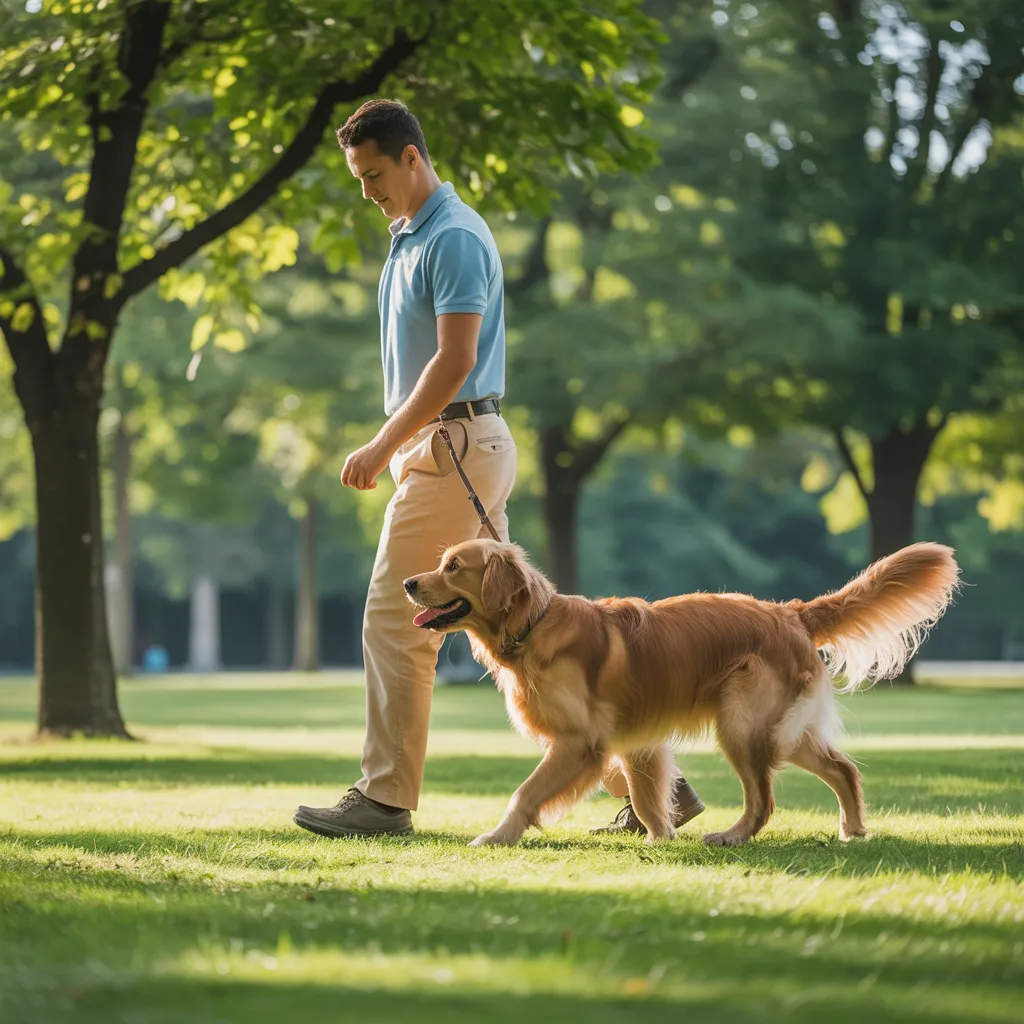
Deciphering Your Dog's Behavior
What can a dog's behavior tell us about its emotions and needs? Examining canine actions reveals understanding of its inner feelings. For example, a wagging tail often signifies happiness, whereas a downward tail may reveal fear or submission. Growling can serve as a warning, demonstrating unease or a protective urge. Furthermore, a dog that barks often might be showing excitement, anxiety, or an attention-seeking behavior.
Body language is also crucial; a calm posture and playful bow usually indicate a friendly demeanor. On the other hand, a dog that cowers or avoids eye contact may be sensing uneasy or distressed. Recognizing these signals permits owners to address the situation appropriately, attending to their pet's emotional state and needs. By being attuned to these behaviors, caregivers can foster a stronger bond with their dogs, confirming that their emotional and physical requirements are met, in the end leading to a more satisfied and fitter canine companion.
Essential Commands All Dogs Need to Master
A solid foundation of basic commands is crucial for every dog, as it enhances communication between the pet and its owner. Key commands include "sit", "stay", "come", "down", and "leave it". Teaching "sit" offers a simple way for dogs to learn impulse control and focus. The "stay" command helps ensure safety in various situations, while "come" is critical for recall, allowing owners to call their dogs back to them. The "down" command promotes calmness and can be valuable in managing excitement. "Leave it" teaches dogs to ignore distractions or potentially harmful objects. Ongoing training sessions, positive reinforcement, and patience are necessary in helping dogs master these commands. By establishing these basic commands, owners not only create a well-behaved pet but also strengthen the bond between them, paving the way for continued training and a harmonious relationship.
Sophisticated Coaching Methods for Particular Breeds
Although basic commands lay the groundwork for training, advanced techniques adapted to specific breeds can greatly enhance a dog's skills and obedience. For example, herding breeds like Border Collies thrive on agility training, which not only enhances their physical capacities but also challenges their intelligent minds. In the same way, retrievers profit from specialized fetch exercises that refine their natural retrieving instincts and improve their focus.
Working dog breeds like German Shepherds are outstanding at protection training, where they learn specific commands that build a strong bond with their handler while ensuring safety. On the other hand, toy breeds may benefit from clicker training, which can help strengthen desired behaviors without overwhelming their smaller frames. In the end, understanding the unique characteristics and instincts of each breed permits trainers to develop effective, advanced techniques that maximize a dog's potential and foster a harmonious relationship between the dog and owner.
Dealing with Standard Behavior Challenges
Understanding advanced training techniques for certain breeds can substantially enhance a dog's abilities, but dealing with common behavioral issues is equally important for cultivating a well-adjusted pet. Many dog owners face issues such as excessive barking, chewing, or aggression, which can stem from anxiety, boredom, or lack of proper training.
Pinpointing the underlying cause is the starting point in fixing these behaviors. For instance, excessive barking could signal a need for more exercise or mental stimulation. Chewing frequently indicates teething or separation anxiety. Creating structured routines and offering appropriate outlets for energy can significantly alleviate these problems.
Moreover, positive reinforcement approaches can effectively modify unwanted behaviors. Praising a dog for calm behavior or redirecting their energy can bring about lasting change. Understanding and addressing these common behavioral challenges not only enhances the bond between the dog and owner but also creates a harmonious household.
The Value of Consistency and Patience in Training
Patience and consistency represent crucial virtues in the realm of dog training, serving as the cornerstone for productive communication between the owner and the pet. Owners must establish clear commands and rules, ensuring that responses to behaviors remain uniform over time. When a dog receives inconsistent cues, confusion arises, hindering the learning process.
Patience is just as important; teaching a dog requires time and dedication. Progress may be visit resource slow, and challenges are common. Owners should maintain a peaceful manner, permitting their pets to advance at their own tempo. Celebrating small victories reinforces desirable behavior and fortifies the relationship between the dog and owner.
Moreover, consistency in consequences and rewards reinforces desired behaviors, making it easier for the dog to understand expectations. By demonstrating consistency and patience, owners create a supportive environment favorable for learning, ultimately leading to a well-behaved and happy canine companion.
FAQ
At What Age Should I Start Training My Puppy?
The perfect age to begin training a puppy is between 8 to 12 weeks old. Beginning training assists in establish good behavior, builds the bond between dog and owner, and facilitates socialization with other pets and people.
How Long Should Training Sessions Last?
Training sessions ought to typically last between five to fifteen minutes for puppies, steadily lengthening as they grow older. Short, targeted sessions help keep their attention and strengthen learning without overloading them, delivering effective training results.
Can Positive Reinforcement Alone Be Used to Train My Dog?
Training dogs exclusively with positive reinforcement proves to be effective. This strategy supports desired actions through reward systems, developing a trusting connection. Numerous trainers effectively use this method, improving both learning and the dog's general welfare.
What Are the Symptoms of Stress During Training Sessions?
Signs of stress during training include heavy panting, cowering, avoiding eye contact, growling, yawning, lip licking, and tail tucking. Identifying these behaviors can help trainers modify their methods to create a more comfortable environment for the dog.
How Can I Manage Distractions During Training Sessions?
To handle distractions during training sessions, the trainer should stay focused on the dog, gradually desensitize the environment, use high-value rewards, and practice in varying locations to enhance the dog's concentration and adaptability.